Peer Learning Campus
Students learn to research, explain, review, and improve together instead of waiting for lectures.
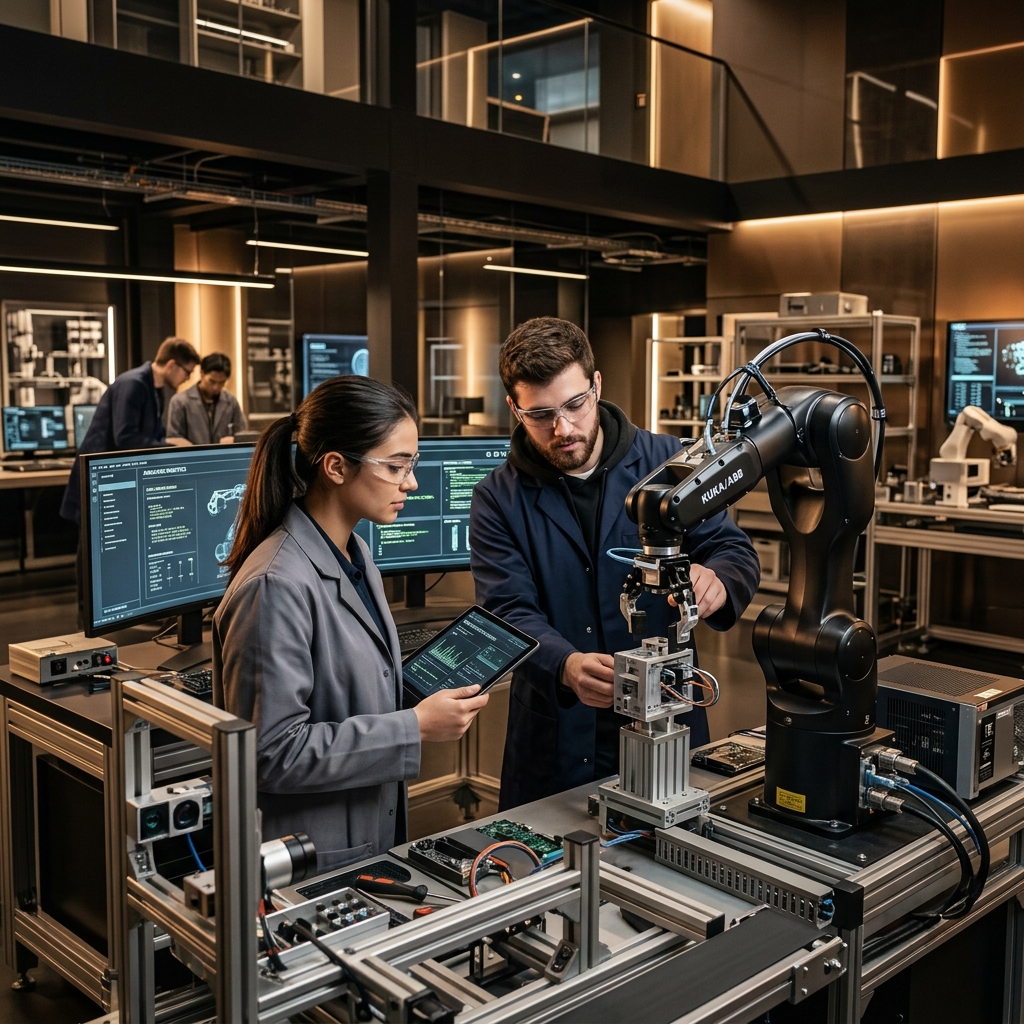
A new kind of degree for a new kind of builder.
For 12th pass students
A degree pathway built around capability, not passive attendance. Students grow through peer learning, foundational computing, AI, product projects, industry immersion, and a capstone portfolio.
3 yrs
Degree arc
Peer
Learning model
Industry
Immersion
Proof
Credential
Program OS
The page structure follows a project-based program pattern: clear outcomes, staged progression, public proof of work, feedback loops, and measurable readiness.
Students learn to research, explain, review, and improve together instead of waiting for lectures.
Programming, systems, math, AI, data, design, and communication become practical building blocks.
The credential is paired with public work, capstones, demos, and reviewable capability proof.
Students spend serious time inside real briefs, teams, constraints, and professional expectations.
Degree Map
The degree story is shown as a road: foundation, studio, immersion, then launch.
Year 1
Year 2
Year 3
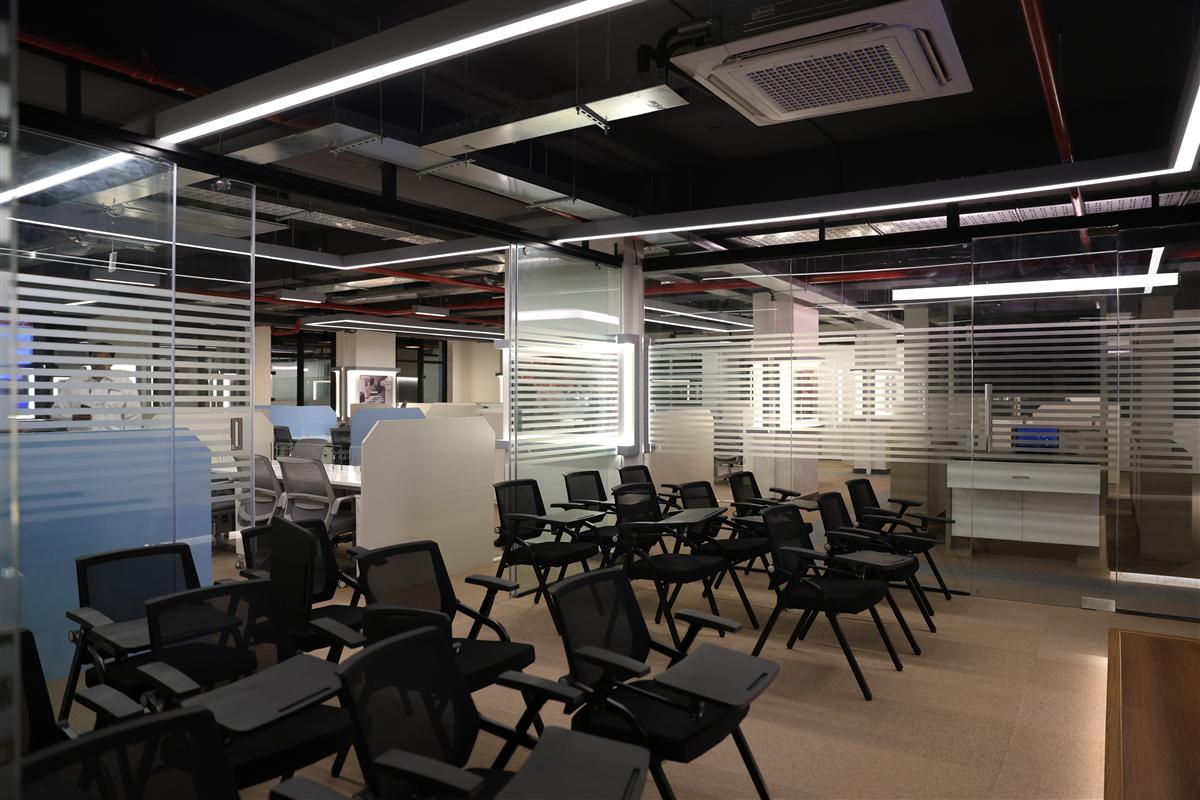
Campus To Career
The degree path connects learning environments with professional proof.

Industry Year
The final year is designed around immersion, capstone, and readiness.

Builder Portfolio
Students graduate with visible work, not just a line on a resume.
Journey
Each stage creates evidence: decisions made, products shipped, critique absorbed, and progress shown.
Programming, math, design thinking, AI fluency, and peer learning habits.
Full-stack, automation, data, robotics/IoT exposure, and team missions.
Industry projects, venture internships, capstone, and professional portfolio.
Jobs, startups, freelancing, higher education, or builder fellowships.
Curriculum Grid
Modules are framed by output, not lectures.
| Track | Focus | Output |
|---|---|---|
| Foundation Core | Programming, math, systems thinking, communication | Core capability map |
| AI + Data | AI tools, data literacy, automation, analytics | AI/data project |
| Build Studio | Web, product, IoT/robotics exposure, teamwork | Product portfolio |
| Industry Year | Capstone, internships, client briefs, venture exposure | Graduate proof packet |
Proof Stack
A compact portfolio that can be reviewed by mentors, founders, universities, and industry partners.
State Change
A simple comparison table to make the program philosophy clear at a glance.
Old Model
Degree programs often reward attendance and memory.
Catalyst Model
This pathway rewards capability, proof, and applied judgment.
Old Model
Industry exposure comes late or feels separate.
Catalyst Model
Industry immersion is designed into the learning arc.
Old Model
Students graduate with a resume.
Catalyst Model
Students graduate with a portfolio, capstone, and pathway plan.
Old Model
Learning is lecture-led.
Catalyst Model
Learning is peer-led, mentor-reviewed, and project-driven.
Outcomes
The outcome cards are written as real capability changes rather than generic promises.
Students leave with a credential and a body of work that shows what they can actually do.
They practice communication, ownership, critique, collaboration, and deadlines.
The program prepares students for jobs, startups, freelancing, higher education, or builder pathways.