Aptitude To Execution
The challenge starts with thinking ability and quickly moves into real shipping behavior.
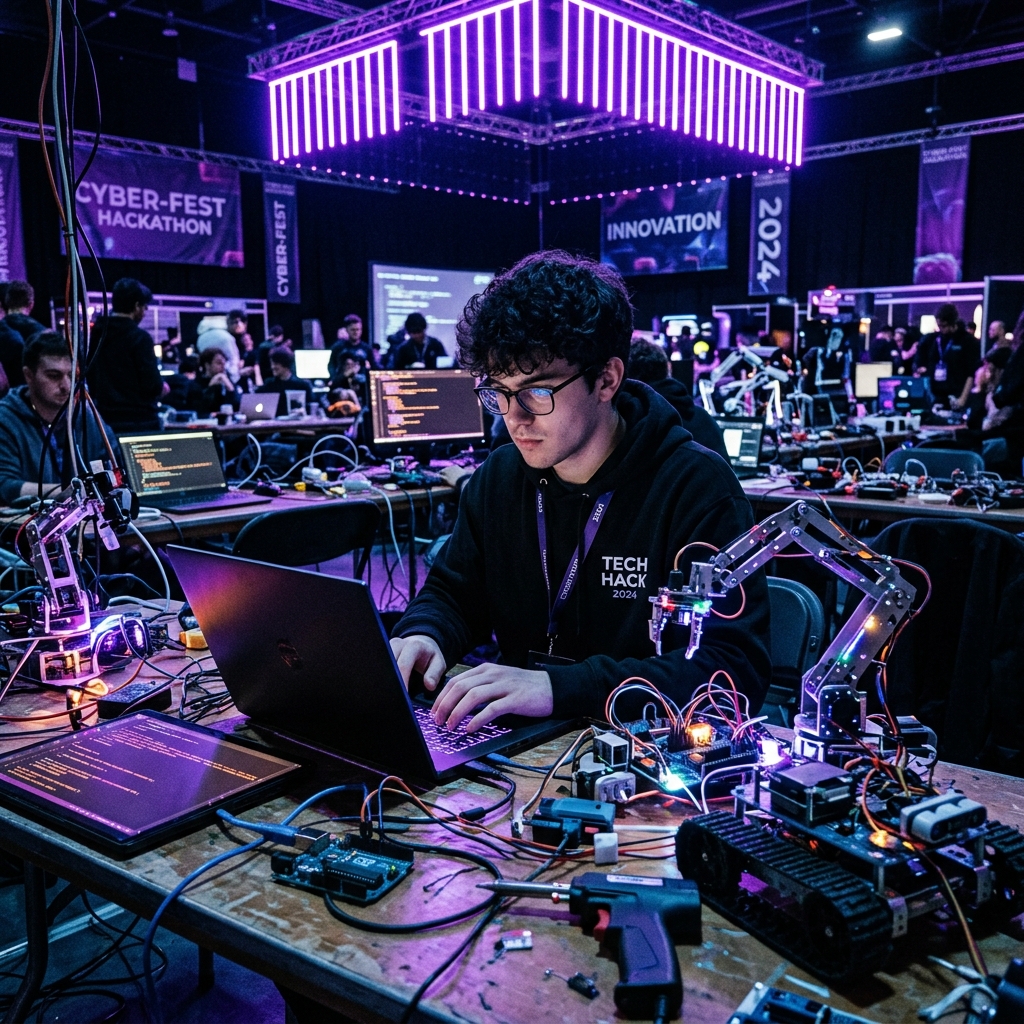
A stage in the pathway, not a separate paid program.
After enrollment and aptitude evaluation
A high-pressure public challenge for students near graduation. Teams move from idea to shipped proof under deadlines, critique, scorecards, and selection gates designed to reveal execution ability.
25 days
Challenge
Index
Selection
Team
Build mode
Demo
Final gate
Program OS
The page structure follows a project-based program pattern: clear outcomes, staged progression, public proof of work, feedback loops, and measurable readiness.
The challenge starts with thinking ability and quickly moves into real shipping behavior.
Deadlines, reviews, and demos reveal who can execute when ambiguity rises.
Students are evaluated on problem quality, implementation, teamwork, resilience, and demo clarity.
Top performers earn interviews and eligibility for advanced builder opportunities.
Mission Arena
Instead of describing pressure, the page shows it: score lanes, gates, progress, and a public demo finish line.
20
Problem
35
Prototype
20
Team Ops
25
Demo

Mission Clock
The 25-day rhythm creates urgency without losing structure.
Demo Proof
The final story is backed by visible decisions and working output.
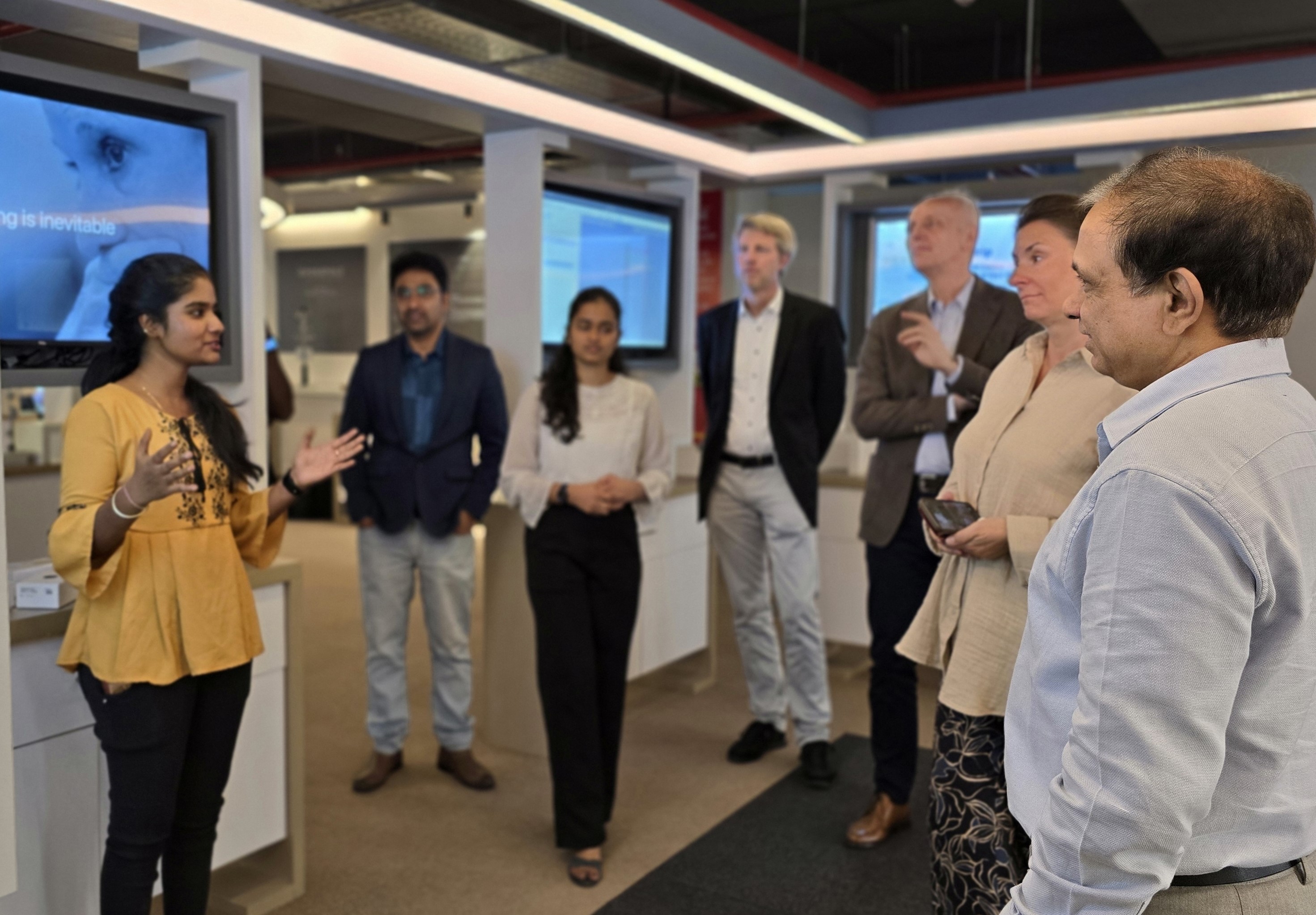
Talent Signal
The Builder Index turns activity into a reviewable signal.
Journey
Each stage creates evidence: decisions made, products shipped, critique absorbed, and progress shown.
Assess logic, learning velocity, and problem-solving potential.
Build under constraints with team roles and mentor checkpoints.
Show what works, what failed, and what was learned.
Rank capability across execution, collaboration, and impact.
Curriculum Grid
Modules are framed by output, not lectures.
| Track | Focus | Output |
|---|---|---|
| Problem Hunt | Opportunity mapping, user pain, evidence gathering | Challenge brief |
| Rapid Build | MVP architecture, integration, testing | Functional prototype |
| Team Ops | Ownership, standups, blockers, decisions | Execution log |
| Demo Craft | Story, traction signal, proof, next step | Final pitch |
Proof Stack
A compact portfolio that can be reviewed by mentors, founders, universities, and industry partners.
State Change
A simple comparison table to make the program philosophy clear at a glance.
Old Model
Final-year students are judged by credentials.
Catalyst Model
Students are judged by shipped work and execution behavior.
Old Model
Hackathons end as isolated events.
Catalyst Model
The challenge feeds a selection and advancement pathway.
Old Model
Teams hide weak execution until the final day.
Catalyst Model
Daily progress and review cycles make execution visible.
Old Model
Demos focus only on presentation.
Catalyst Model
Demos connect problem, build, evidence, and next move.
Outcomes
The outcome cards are written as real capability changes rather than generic promises.
Students prove they can build, adapt, and keep moving while constraints change.
The program creates a reviewable packet that shows more than marks or resumes.
Top performers stand out through evidence, not claims.